
Maxspar applies the same composite and rigging technology used in high-performance sailing yachts to create extraordinary architectural elements — structures that are lighter, stronger and more elegant than conventional construction allows.
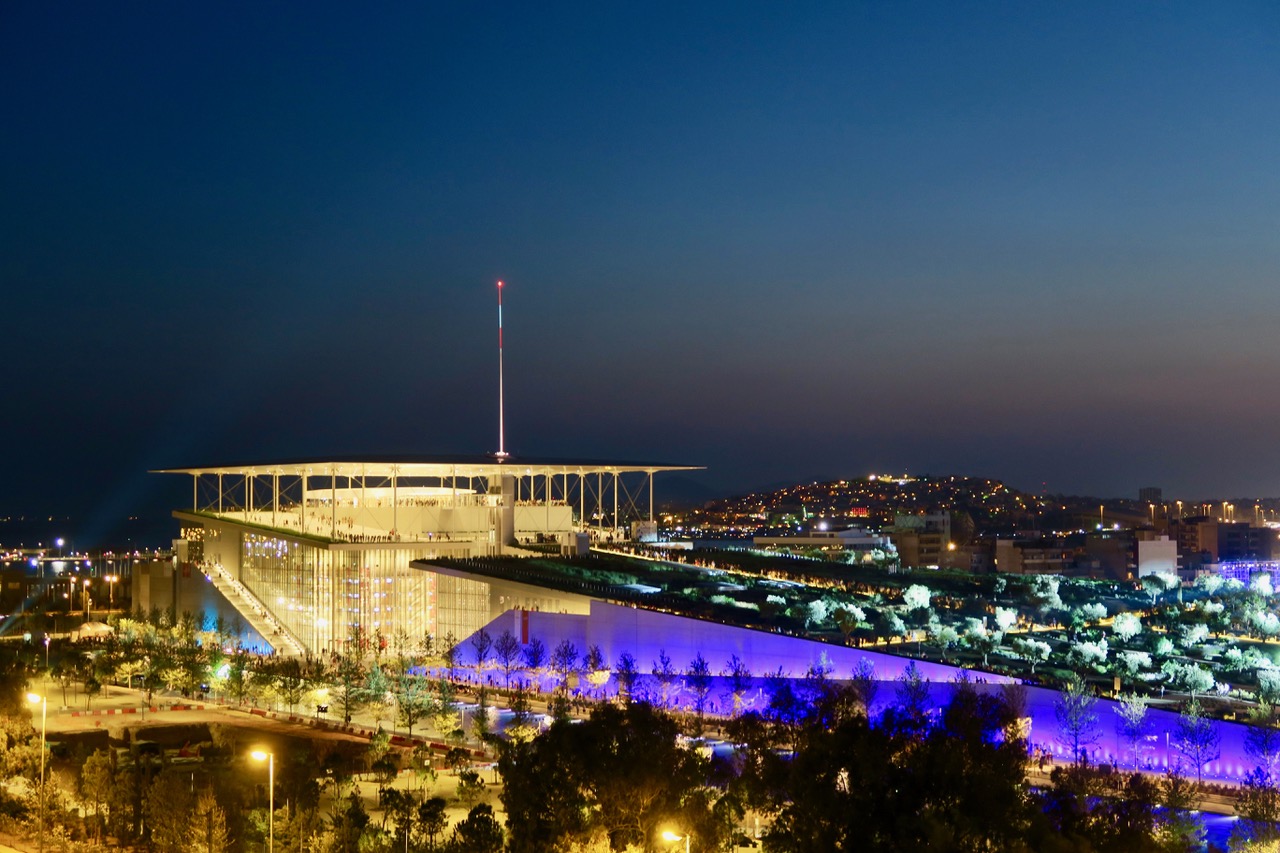
Fabrication of a flexible one-piece 40-metre glass prepeg spire with a base diameter of 400mm tapering to an apex diameter of 75mm. The spire flexes dynamically according to the force of the wind.
Made for a project by Renzo Piano and installed at the Stavros Niarchos Foundation Cultural Center in Athens — one of the most prestigious cultural buildings in Europe.
Maxspar supplied composite structural elements for the Academy Museum of Motion Pictures — the world's leading institution dedicated to the art, science and history of cinema. The museum's bold architecture centres on an iconic spherical theatre.
Designed by Renzo Piano, the Academy Museum opened in 2021 as a landmark of contemporary cultural architecture in Los Angeles, California.
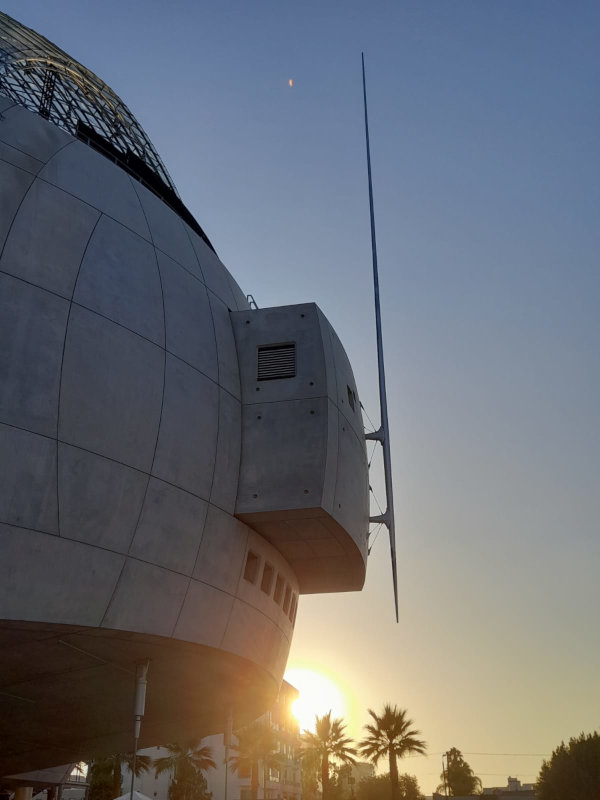
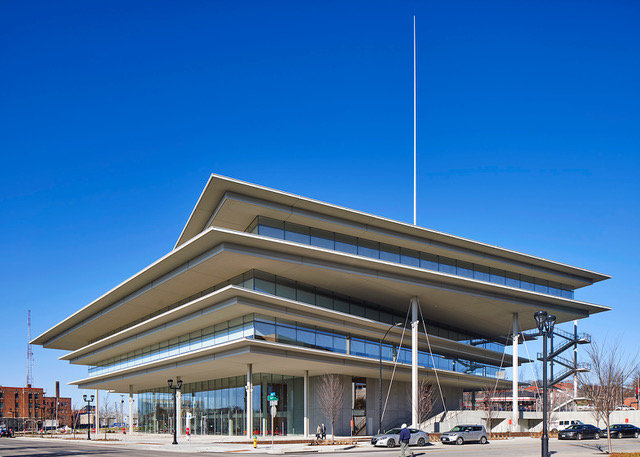
Fabrication of a flexible one-piece 32-metre glass prepeg mast which flexes according to the force of the wind. A remarkable engineering challenge — creating a structure that responds organically to natural forces while remaining structurally sound over time.
Made for a project by Renzo Piano for the Krause Gateway Center located in downtown Des Moines, Iowa.
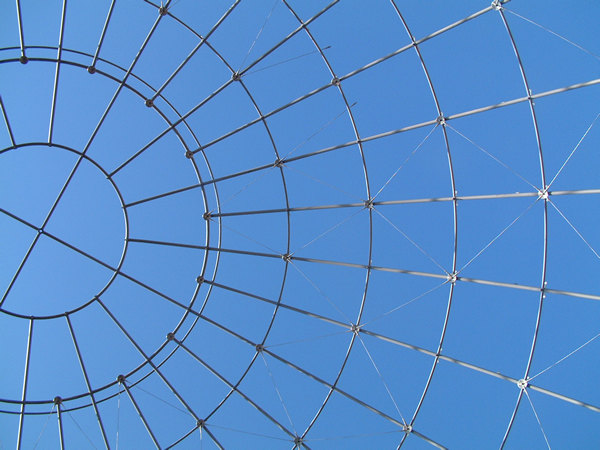
Maxspar supplied the structural ties for the iconic Genova G8 Dome — the famous "Bolla" — designed by Renzo Piano. The geodesic dome sits in Genova's old port area as a landmark of transparent steel and glass.
Applying the same rigging technology used for yacht masts, Maxspar engineered the tension components that hold this architectural landmark together.
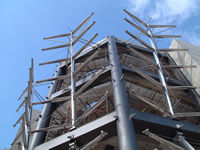
Maxspar, using sailing mast profiles as structural supports, supplied the elements for the glass façade of a building front designed by Architect Cesare Monti. The same carbon and aluminium profiles engineered for offshore sailing were applied here to create a transparent, elegant building skin.
A testament to how precision composite manufacturing — developed to withstand the extreme loads of offshore racing — can be adapted to create lightweight, long-lasting architectural structures.